Still Paying For Oil Deliveries?
There's A Better Way To Heat Your Home.
If you're on heating oil, this could be the most important thing you read this year.
See if you qualify. Free, no obligation, takes about a minute.
MCS-certified local installers · £9,000 government grant · No call centres, no pressure
Government-backed
Boiler Upgrade Scheme grant
MCS-certified
Accredited local installers
Local Cumbrian people
Not a national call centre
No pressure
Check eligibility before you share details
If you heat your home with oil, you already know the feeling.
You check the tank. It's getting low. You ring the supplier. The price has gone up again. And there's nothing you can do about it because you're not on the grid. No price cap. No protection. Just whatever the market decides to charge you that week.
And the frustrating thing is your bill has nothing to do with how much energy you use. A conflict here, a pipeline there, and suddenly you're paying more to heat the same house.
Some people have had their orders cancelled entirely, then requoted at double the price with no warning and no explanation.
That's not a heating system. That's a hostage situation.
Meanwhile there's a technology that's been replacing oil boilers across rural Britain. It doesn't need a delivery truck. It doesn't spike in price when something happens overseas. And from 21 July, the government is paying £9,000 towards getting one fitted.
This is where Renewable Robin comes in
No oil. No deliveries. No price spikes.
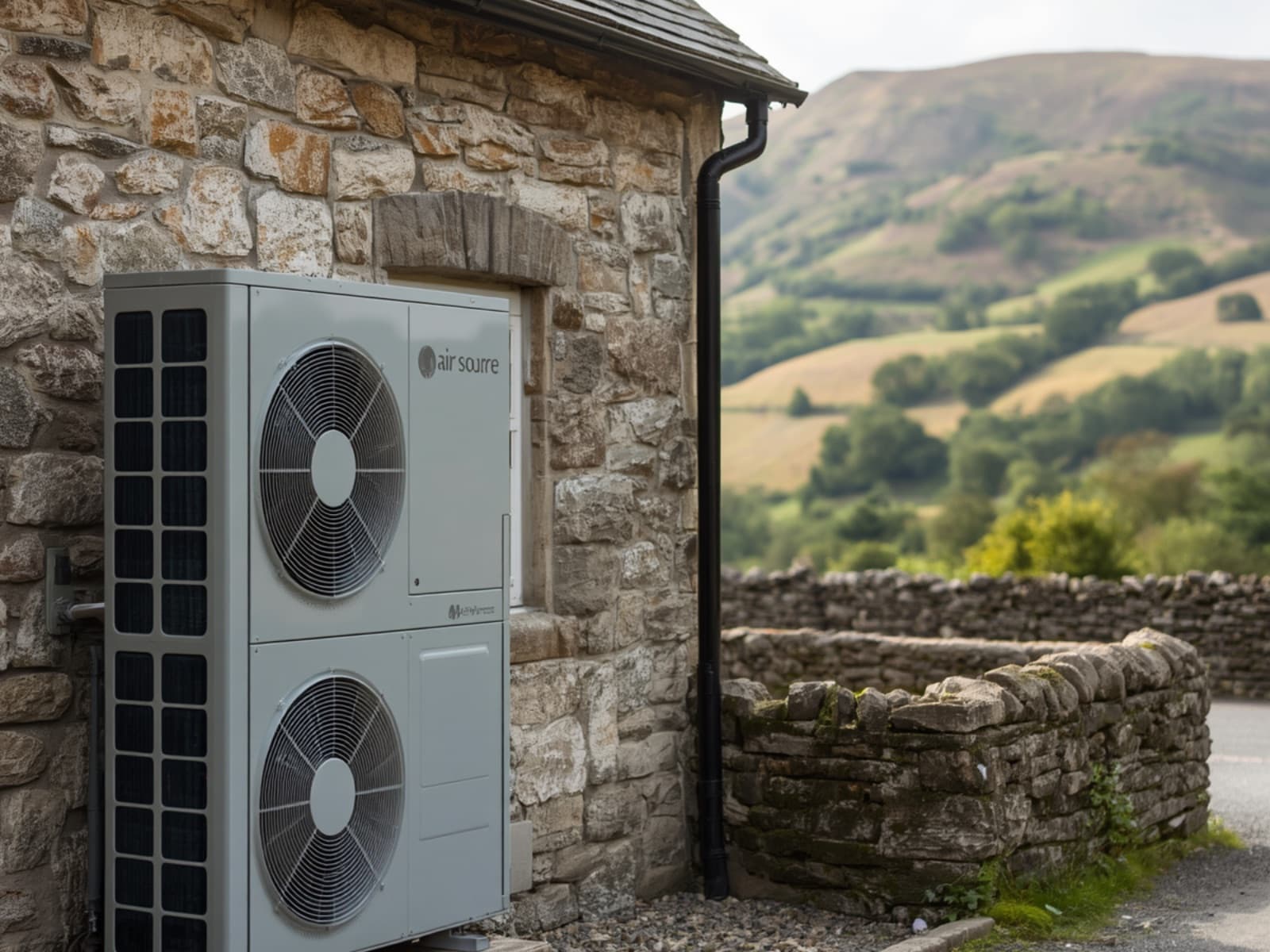
An air source heat pump takes heat from the air outside, even on a cold day, and uses it to heat your home and your hot water. Just a consistent, predictable cost you can plan around.
From 21 July 2026, the government's Boiler Upgrade Scheme increases to £9,000 for homes currently on oil or LPG heating. That grant goes directly to your installer, which means you simply pay less upfront. No paperwork. No claiming anything back. It just comes off your quote.
With £9,000 coming straight off the cost, getting off oil is far more affordable than most people expect. And once it's in, you never have to buy oil again.
Here's the thing though. Installations don't happen overnight. There's a survey, a quote, and a booking process before any work begins. The homeowners who get fitted first after 21 July are the ones who get the process started beforehand.
That's all we're asking you to do today. Check if you qualify, and if it makes sense we'll arrange for one of our trusted local installers to survey your property. So you're ready to go the moment the grant kicks in.
“But do they even work in an old house like mine?”
Fair question. And you deserve a straight answer.
Most people assume heat pumps only work in new builds with underfloor heating and perfect insulation. That's not the full picture.
Modern heat pumps are designed to work in older properties. They run at a lower flow temperature than a traditional boiler, which means they work best when they run for longer periods rather than blasting heat in short bursts. For most homes this means upgrading a few radiators to slightly larger ones, a straightforward job your installer will assess during the survey.
The more you're currently spending on oil, the more you stand to gain. In a Nesta survey of more than 2,500 heat pump owners, over 80% of those who switched from oil were as satisfied or more satisfied than before, a higher rate than those who switched from mains gas.
It's not magic. A proper survey matters. That's exactly what our local MCS-certified installers do before any work begins. They assess your home, your radiators and your insulation honestly, and tell you straight whether a heat pump is right for you.
If it isn't, they'll tell you that too.
We know what you're thinking.
You've probably seen the ads before. You click on one and within the hour your phone won't stop ringing. Four different companies. All of them telling you you're the perfect candidate. All of them trying to get someone round to your house as fast as possible.
It feels like the double glazing days all over again.
That's not how we work. And it's a big part of why we built Renewable Robin the way we did.
You check whether you're eligible before we ask for anything. No phone number. No email. No obligation.
And when you do decide to get in touch, you won't reach a call centre or a script read off a screen. You'll speak to Stephen. A real person, local to you, who will have a straight conversation, answer your questions, and tell you honestly whether this makes sense for your home.
If it does, we'll arrange a visit from one of our local MCS-certified installer partners. MCS is the official UK standard for heat pump installations, and it's also what the £9,000 government grant requires, so you're covered on both counts. Not a salesperson. Someone who actually knows what they're doing.
And because the grant goes directly to your installer rather than to you, there's no paperwork to navigate and no claim to submit. It just comes off your quote.
Here's why the timing matters.
The Boiler Upgrade Scheme grant increases to £9,000 on 21 July 2026. Before that date the grant is £7,500. After that date it becomes £9,000, but only for homes currently on oil or LPG heating. If that's you, this uplift was designed specifically with your situation in mind.
The grant doesn't run forever and installer slots don't either. A proper heat pump installation starts with a survey, then a quote, then a booking. That process takes time. The homeowners who get fitted first are the ones who start the conversation now.
We're not saying that to pressure you. We're saying it because if you've been thinking about getting off oil, this is the best financial moment to do it that we've seen in years.
Your oil tank has been running your life for long enough.
Find out in less than 60 seconds whether you qualify for the £9,000 grant and what it could mean for your heating bills from here on.
No phone number needed to check. No obligation. No salesperson waiting on the other end. Just an honest look at whether this makes sense for your home.
Check if I qualify →