Guide · 8 min read ·
The £9,000 Heat Pump Grant for Off-Grid Cumbria Homes (From July 2026)
If you heat with oil or LPG in Cumbria, this is the one to watch. From 21 July 2026 you can have £9,000 taken straight off the cost of a heat pump, which is £1,500 more than homes on mains gas get.
At a glance
- Grant for off-grid homes
- £9,000
- Grant for mains gas homes
- £7,500
- Higher rate starts
- 21 July 2026
- Scheme
- Boiler Upgrade Scheme
- Who applies
- Your MCS installer
- Minimum EPC band needed
- None
- Voucher window once approved
- 3 months
The quick answer
From 21 July 2026, off-grid Cumbria homes can claim £9,000 towards an air source heat pump through the Boiler Upgrade Scheme, which drastically reduces what you pay. It is not live yet, so getting your home checked now puts you first in the queue the day the grant goes live.
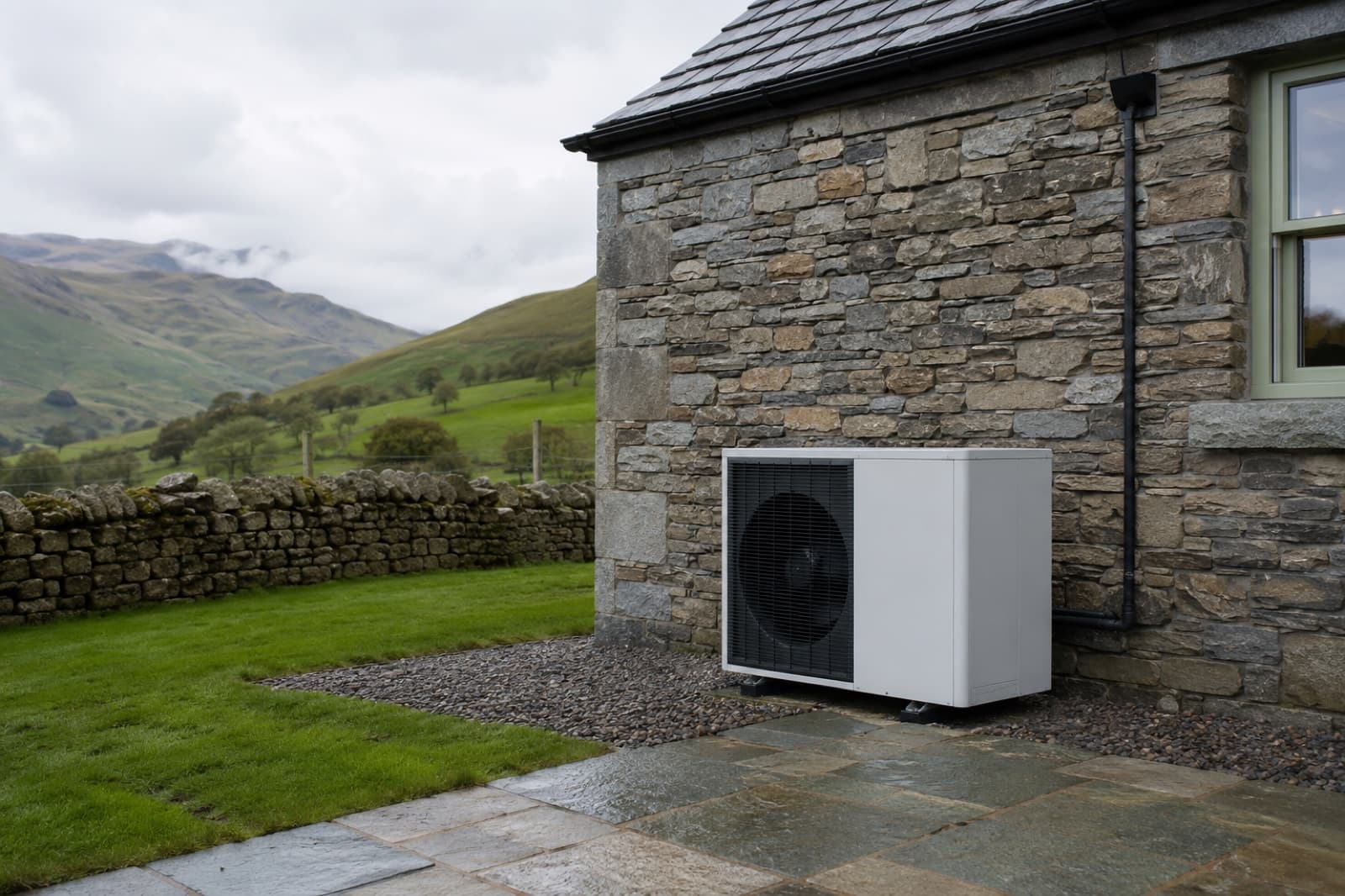
£9,000 off the price, before you pay a penny
Most people brace for the full cost of a heat pump and talk themselves out of it. Picture the opposite. You get a quote, and £9,000 is already taken off it before the work has even begun.
That is how the Boiler Upgrade Scheme works for off-grid homes from 21 July 2026. Your installer applies for the grant on your behalf, and the £9,000 is knocked straight off your bill. No form filling, no waiting for a refund, no chasing anyone for the money.
All you have to do is find an accredited MCS installer to carry out the work, and that is where we come in.
Why does your off-grid home get £1,500 more?
You have spent years paying more than friends on mains gas. Oil and bottled gas cost more, and the price can spike overnight. We saw it with the 2022 energy crisis, and you have felt it again this year.
The conflict around the Strait of Hormuz, the route around a fifth of the world's oil is shipped through, sent prices sharply up through 2026, and they are only starting to ease now. On top of that come the seasonal jumps every winter. All of it leaves you at the mercy of global markets you cannot control.
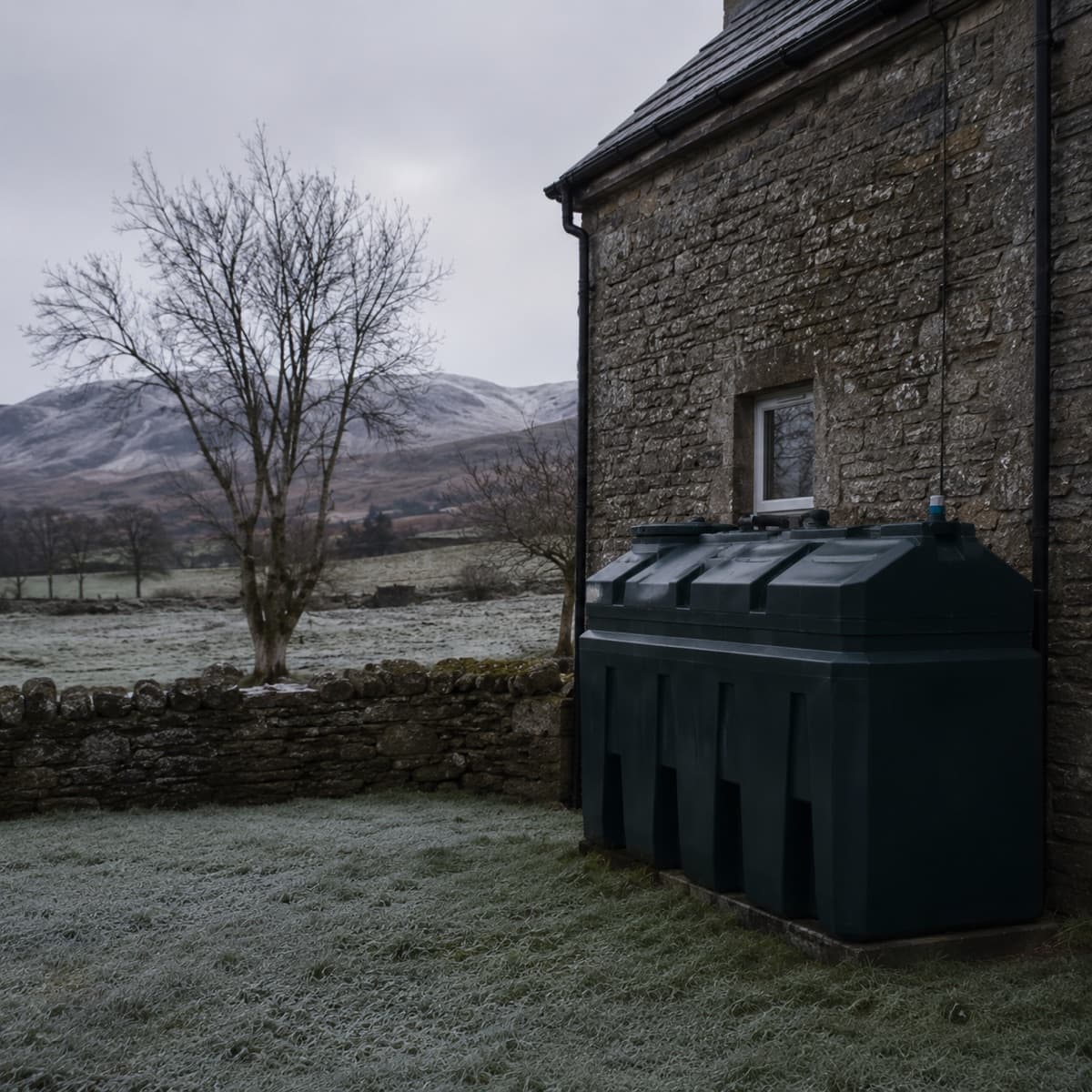
Here is the better news. The government has aimed this grant squarely at homes like yours: off the gas grid, in rural Cumbria, heating from an oil tank or LPG bottles.
And for once, being off-grid is actually working in your favour.
What affects your savings, and what no longer holds you back
We can't put an exact figure on a heat pump, because every home is different. The age of your boiler, the state of your central heating, and how well your home holds heat all change the final cost and how much you save.
What we can say is this. A heat pump should last 15 to 20 years and runs at a fraction of the cost of oil or LPG, so it makes a real difference to your yearly bills. How big a difference depends on your home, which is exactly what the free check is for. We will give you a rough idea of what you could save each year.
And here is the part that puts a lot of people off for no reason. Your EPC no longer counts against you. The Boiler Upgrade Scheme has never set a minimum EPC band, so your rating does not matter. Since May 2024 you no longer need to act on any insulation recommendations before you apply. And since April 2026 you do not even need a valid EPC at all.
If you do not have one, your installer can use other proof, such as a recent fuel bill and photos of your current heating. Good insulation still helps a heat pump run for less, but it is no longer a hurdle to getting the grant.
Picture this winter

Imagine the house warm from first thing, every room, not just the one by the fire. No tank gauge to watch. No deliveries to book. No ringing round for a fair price before a cold snap. No delays on your oil or LPG getting to you because of the bad weather.
A heat pump runs in the background and holds your home at a steady, comfortable temperature, the same as a boiler does, only without the fuel runs and the price worry. That steady warm house is the thing you are actually buying.
MYTH: “It will never cope with a Cumbrian winter.” The honest answer
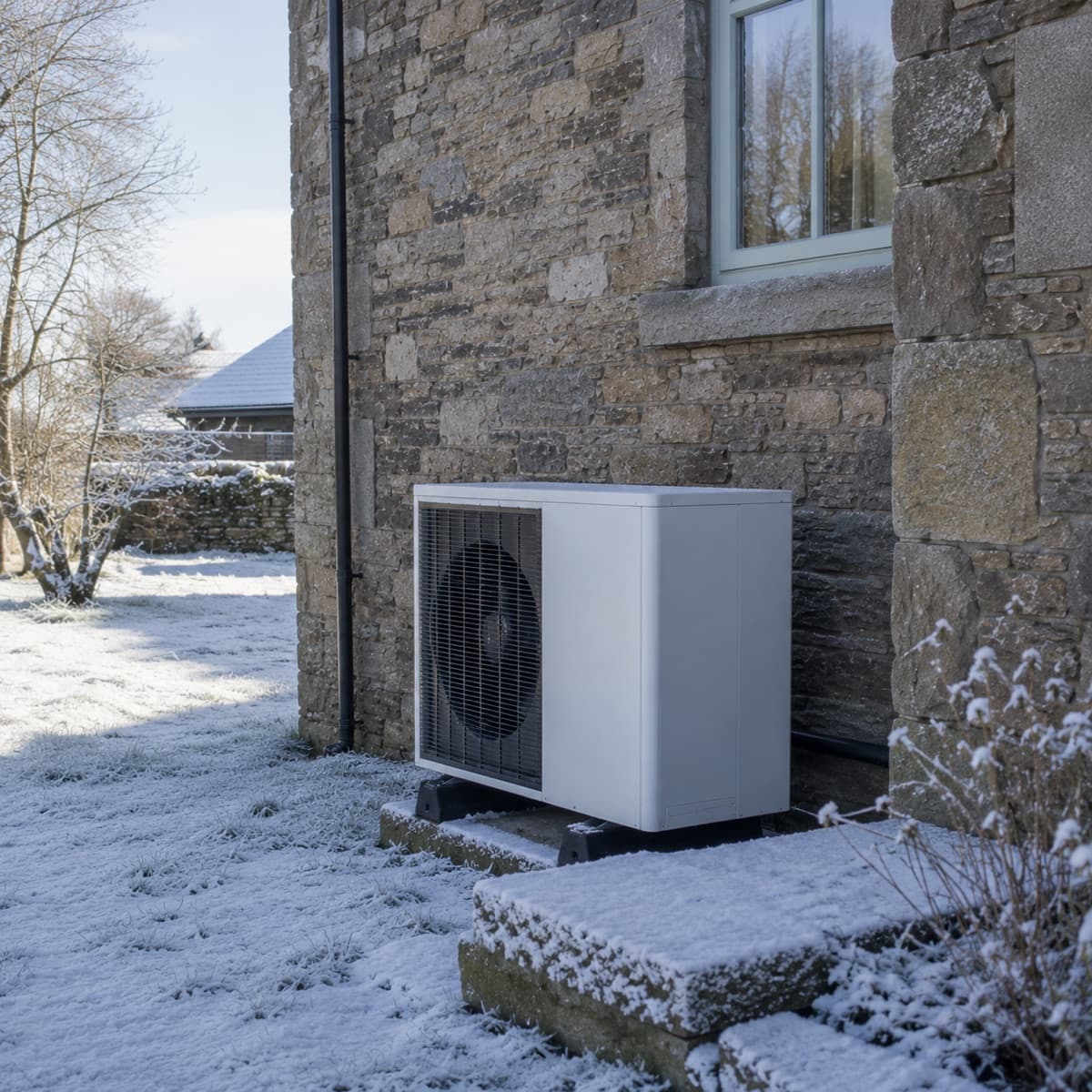
This is what we hear the most, and it is a very fair point. The honest answer is that it does cope. Heat pumps keep working well below freezing, which is why they are the normal heating choice across Norway, Sweden and Finland, places far colder than Cumbria.
There is one honest caveat, and it is where some homeowners have gone wrong and ended up with a system that barely works.
A heat pump works best when your radiators are the right size for it and your home holds its heat reasonably well. A proper heat-loss survey checks that before anything is fitted, and a good installer will tell you straight what, if anything, needs sorting first.
How to find out if you qualify, and how to be sure
The rules are simpler than most people expect. You can claim if you own your home in England or Wales and you are replacing a fossil fuel system (oil, LPG, gas or electric storage heaters).
The main things that rule you out are wanting a hybrid system, replacing a system that is already low carbon, or having had a heat pump grant before.
How the £9,000 reaches you, without the hassle
You barely have to lift a finger. It comes down to three steps:
- An MCS-certified installer quotes you and applies for the grant. No certification, no grant, so ensuring the installer is MCS certified is a critical part.
- Ofgem emails you to confirm you asked them to apply. You have 14 days to reply, so do not let it sit in your inbox. And by the way, confirming does not lock you in.
- The work goes in within the voucher window, which lasts three months. The grant comes off your bill and your installer claims it back.
Get ahead of the 21 July rush
The £9,000 rate is not live yet. It applies from 21 July 2026. Until then the off-grid grant is £7,500, the same as everyone else.
But here is why it pays to move now rather than wait. When a grant goes up, demand goes up with it, and the good installers fill their diaries fast.
The homeowners who get assessed now are first in the queue the day the higher rate opens, with the system running well before next winter. The ones who wait end up joining the back of the spring queue and have to pay another winter oil or LPG bill.
Grant terms can and do change, so always check the current rules on gov.uk before you commit. This explains how the scheme is set to work. And it's important to note that this isn't a promise of what you will receive.
No risk in finding out
A free eligibility check, and that is genuinely all it is. No obligation. No pushy installer turning up at your door. We only work with MCS-certified installers, the same certification the grant requires.
You tell us your postcode and a few details about your home and heating, and we tell you whether you are likely to qualify for the £9,000 and what to do next. If the answer is no, we tell you that too.
Common questions
Who can claim the £9,000 grant?
You can claim if you own your home in England or Wales, you are off the mains gas grid, and you are replacing a fossil fuel system such as oil, LPG, gas or electric storage heaters. The higher off-grid rate applies from 21 July 2026.
Do I need a certain EPC rating?
No. The Boiler Upgrade Scheme has never set a minimum EPC band. Since May 2024 you no longer need to act on insulation recommendations first, and since April 2026 you do not need a valid EPC at all. Your installer can use other proof such as a recent fuel bill and photos of your current heating.
Do I have to pay the money up front and claim it back?
No. Your MCS-certified installer applies for the grant on your behalf and the £9,000 comes straight off your bill. The installer claims it back afterwards.
What would rule me out?
The main things are wanting a hybrid system, replacing a system that is already low carbon, or having had a heat pump grant before.
Will a heat pump cope with a Cumbrian winter?
Yes. Heat pumps keep working well below freezing, which is why they are the normal heating choice across Norway, Sweden and Finland. The caveat is that radiators need to be the right size and the home needs to hold heat reasonably well, which a proper heat-loss survey checks before anything is fitted.
Find out what your home qualifies for
Answer a few quick questions and we will tell you whether your home is likely to qualify for the £9,000 grant.
Check if my home qualifies